


Reliable, Accurate Remote Medication Delivery
Dart Guns for Animal Care Professionals
Unmatched accuracy, safety, and durability for animal care professionals.
A dart gun, also known as a remote delivery system, is a specialized device designed to project a Remote Delivery Device (RDD), commonly called a dart, to deliver medication to an animal from a distance. Pneu-Dart remote delivery systems are used by trained animal care professionals, including veterinarians, ranchers, wildlife managers, and researchers, in applications where approaching or physically restraining an animal may be difficult or impractical.
Pneu-Dart offers a range of remote delivery projectors and compatible RDDs designed for different animals, environments, and application requirements. Choosing the right system depends on factors such as the animal being treated, the intended application, operating distance, and the required dart configuration. With the appropriate equipment, training, and veterinary guidance, remote delivery can be a valuable tool in animal care.
A Pneu-Dart dart gun offers unmatched accuracy, safety, and durability for animal care professionals. Whether you’re sedating wildlife or medicating livestock, our systems perform when it matters most. When you need the best, Pneu-Dart stands above the rest. Our systems combine unmatched accuracy, safety features, and humane design trusted by professionals worldwide.
How Dart Guns Work
Dart guns use a specialized projector to launch a Remote Delivery Device (RDD), commonly called a dart, toward an animal for remote medication delivery. Rather than requiring the animal to be approached and physically restrained first, remote delivery can allow trained professionals to administer veterinarian-prescribed medication from a distance when the situation calls for it.
Pneu-Dart offers different projector systems that operate using compressed air, CO?, or cartridge-fired mechanisms. Each system has specific operating requirements and compatible RDD configurations.
Several factors influence how a dart gun performs, including the projector type, operating distance, power settings, dart configuration, and environmental conditions. Selecting compatible equipment and using it correctly are essential for consistent performance and responsible animal care.
Remote delivery is not appropriate for every animal or situation. Medication selection, dosage, injection site, and delivery method should be determined under appropriate veterinary guidance. Users should also receive suitable training and follow the manufacturer’s instructions for their equipment.
Explore our Remote Delivery Devices (RDDs) to learn more about the darts designed for use with compatible Pneu-Dart systems.
Types of Dart Guns
Dart guns are available in different styles and operating systems. Understanding the differences can help you narrow down the options based on your application, working environment, and equipment preferences.
Rifle-Style Dart Guns and Projectors
Rifle-style projectors are a common choice for professionals who need a shoulder-fired system for remote delivery applications. Pneu-Dart offers several projector models designed for different operating requirements and compatible RDD configurations.
When comparing rifle-style systems, consider the intended application, handling preferences, operating distance, and the specific darts supported by the projector.
Explore our tranquilizer rifle and dart rifle options to learn more.
Pistol-Style Dart Guns
Pistol-style projectors offer a more compact form factor for applications where a pistol-style system is preferred. As with other projector types, the right choice depends on the user’s needs, the operating environment, and the RDD configurations supported by the equipment.
Compare available options on our Dart Pistol page and Tranquilizer Pistol page.
Air-Powered Dart Guns
Air-powered projectors use compressed air to propel compatible RDDs. These systems may appeal to professionals looking for an air-powered alternative to cartridge-fired equipment.
When evaluating an air-powered system, consider its operating requirements, power-control features, maintenance needs, and compatible darts.
Learn more about air-powered dart guns.
CO?-Powered Dart Guns
CO?-powered systems use a CO? power source to propel compatible RDDs. The specific operating requirements and compatible dart configurations depend on the projector model.
Before choosing a CO?-powered system, review the manufacturer’s instructions and product specifications to understand the required power source, maintenance considerations, and compatible equipment.
Cartridge-Fired Dart Guns
Cartridge-fired projectors use a compatible cartridge to propel the RDD. These systems are designed for specific operating requirements and compatible dart configurations, so users should verify the correct combination before use.
When comparing cartridge-fired projectors, consider your application, handling preferences, maintenance requirements, and the RDDs supported by the system.
Pneu-Dart offers several projector models for different professional applications. Review each product’s specifications to determine which option best fits your needs.
Choosing a Dart Gun for Your Application
The best dart gun depends on the animal being treated, the working environment, the purpose of the application, and the type of remote delivery required. Different professionals may have very different priorities when selecting equipment.
Cattle and Livestock
Ranchers and livestock professionals may use remote delivery systems in situations where cattle are difficult to approach or conventional restraint is impractical. The appropriate system depends on the operation, working conditions, and veterinarian-directed treatment requirements.
Explore our cattle dart guns and remote delivery systems for more information about equipment for livestock applications.
Wildlife Management and Conservation
Wildlife professionals may need remote delivery equipment when working with animals that cannot be safely approached or easily restrained. Species, terrain, distance, and field conditions all influence equipment selection.
Wildlife applications also require appropriate training, species-specific knowledge, and compliance with applicable regulations and permits. Veterinary or wildlife health expertise should guide decisions involving medication delivery.
Veterinary Applications
Veterinary professionals may use remote delivery systems in appropriate situations where conventional handling is difficult or impractical. The animal’s condition, treatment requirements, and clinical circumstances determine whether remote administration is suitable.
Pneu-Dart systems serve a range of professional animal care applications. Learn more about veterinary dart guns and the considerations involved in remote delivery for small animals.
Horses and Equine Care
Equine applications require careful consideration of the horse’s size, behavior, surroundings, and medical needs. A veterinarian should determine whether remote delivery is appropriate and identify the suitable equipment and delivery method.
Visit our Horse Tranquilizer Gun page to explore equipment considerations for equine care.
Animal Control
Animal control professionals may encounter situations involving animals that are difficult to approach or safely restrain. Remote delivery equipment may be appropriate in certain circumstances, depending on the animal, the objective, the environment, and applicable laws and agency protocols.
Equipment selection should account for the intended application, user training, and compatibility with the appropriate RDD. Remote delivery should only be used by qualified personnel who understand the equipment and the relevant animal-handling requirements.
Across all applications, selecting the right equipment begins with understanding the specific needs of the animal and the professional responsible for its care.
Dart Guns vs. Other Remote Delivery Systems
Dart guns are one type of remote delivery equipment. When comparing systems, it is important to distinguish between the projector that launches the dart and the RDD that carries and delivers the medication.
Pneu-Dart’s remote delivery systems include different projector styles and power sources, each designed for compatible RDD configurations. Rifle-style and pistol-style projectors describe the equipment’s form factor, while air-powered, CO?-powered, and cartridge-fired describe how the projector operates. These categories can overlap. For example, an air-powered system may also be a rifle-style projector.
Other approaches to medication delivery may include conventional injection with appropriate restraint, oral medication, or other veterinarian-directed methods. These are not interchangeable with remote delivery and may be more appropriate depending on the animal’s condition, the medication, and the circumstances.
When deciding between remote delivery and another method, consider:
- Animal handling: Can the animal be safely approached and restrained?
- Treatment requirements: Is remote administration suitable for the prescribed medication and intended treatment?
- Environment: Will the work take place in a pasture, a field setting, a veterinary facility, or another environment?
- Equipment compatibility: Does the selected projector support the required RDD configuration?
- Training and oversight: Can the equipment be used appropriately by trained personnel under the necessary veterinary guidance?
There is no single delivery method that works best for every situation. The goal is to select an appropriate approach for the animal, the treatment, and the professional carrying it out.
Why Pneu-Dart Leads the Industry
For over 50 years, Pneu-Dart has been the leader in remote delivery systems for both domestic and wild animals. Our commitment to quality engineering, animal welfare, and professional education has made us the trusted choice of veterinarians, wildlife managers, and ranchers worldwide.

What our customers say:
“I am an Exotic Vet from the Dominican Republic. I have worked with a couple brands, but Pneu-Dart is the best there is. With 13 years experience at a Dominican Zoo as a Chief of Hospital, I know the difference!”
-Dr. Gerard
Featured Dart Gun Options
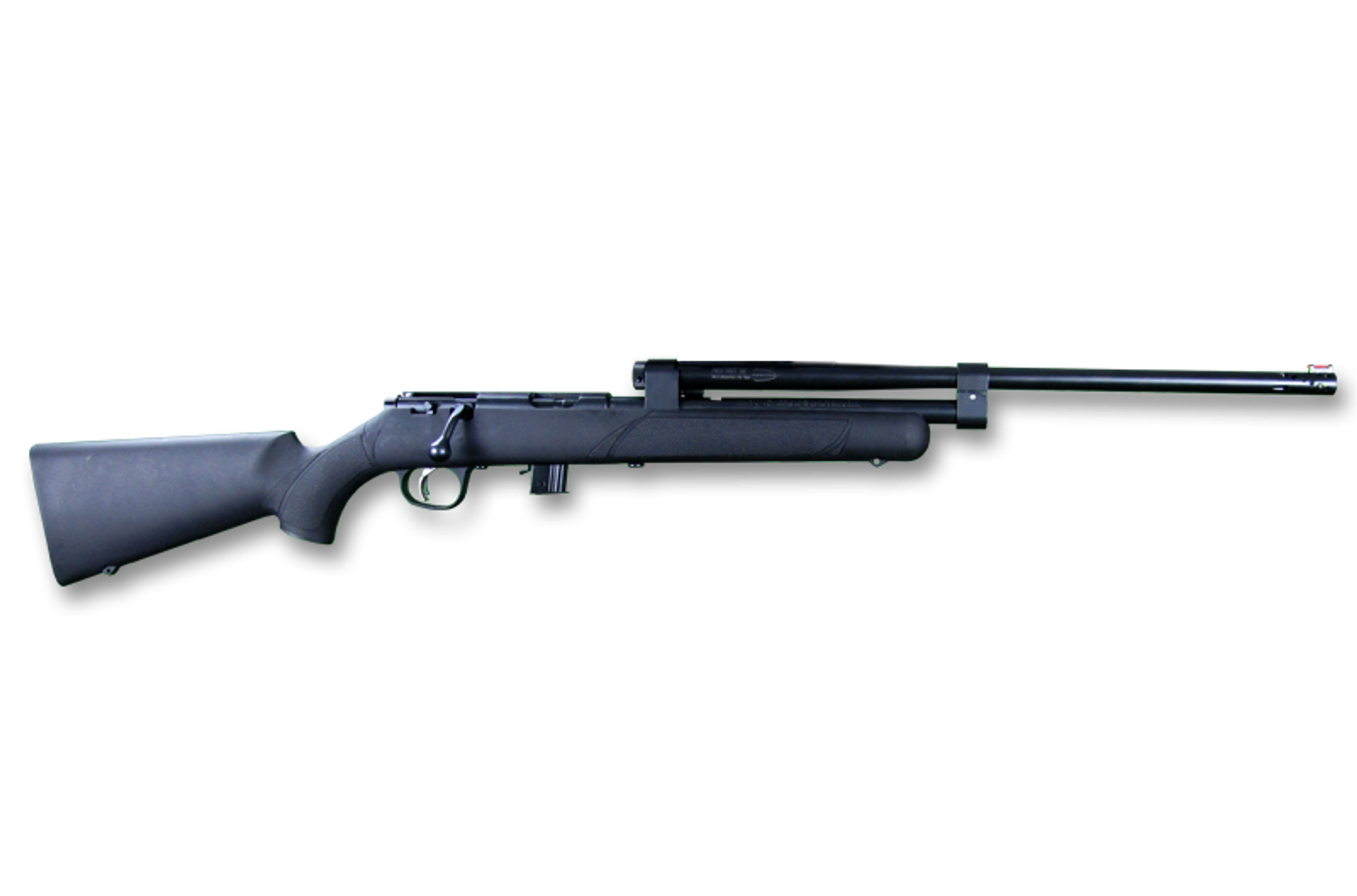
Model 196
Click to view projector >

Model 389
Click to view projector >

G2 X-Caliber
Click to view projector >
FAQ Dart Guns
Q: What is the range of dart guns?
A: Depending on the model and settings, Pneu-Dart projectors can reach 30–70 yards with accuracy.
Q: Can I use dart projectors for small animals?
A: Yes, with the correct dart size, power setting, and veterinary guidance.

Order Your Pneu-Dart Projector Today
Equip yourself with the dart projector trusted by professionals worldwide.