


Safe, Accurate, and Humane
Horse Tranquilizer Guns for Equine Care
Safely sedate or medicate from a distance.
Working with large, powerful animals like horses requires specialized tools. A Pneu-Dart horse tranquilizer gun allows you to safely sedate or medicate from a distance, reducing stress on both the handler and the horse.
Remote Dart Delivery for Horses
Horses can present unique challenges when medication needs to be administered, particularly when an animal is difficult to handle, cannot be safely approached, or is in an environment where conventional restraint is impractical. In appropriate situations, remote dart delivery may provide veterinarians and trained animal care professionals with another option for administering prescribed medication.
Pneu-Dart remote delivery systems project a Remote Delivery Device (RDD), commonly called a dart, to deliver medication from a distance. The appropriate equipment depends on the horse, the intended treatment, the working environment, and the veterinarian’s instructions.
Equine applications require careful planning. A horse’s size, behavior, surroundings, and medical condition all influence whether remote delivery is appropriate. It is also important to consider what happens after administration, including how the horse may respond and how the animal can be safely monitored and cared for.
Remote delivery is not suitable for every equine situation. Work with a veterinarian to determine whether it is an appropriate option and to establish the correct medication, delivery method, and follow-up care.
Choosing a Dart Gun for Horses
Choosing a dart gun for horses starts with understanding the application and the environment where the equipment will be used. A system that works well in one setting may not be the best choice in another, so it is important to evaluate the available options against your specific needs.
When comparing remote delivery systems for equine care, consider the following factors:
- Working distance and environment: Consider whether the equipment will be used in a pasture, a large enclosure, or another setting where approaching the horse may be difficult.
- Projector style: Pneu-Dart offers different projector styles and power systems. Compare the operating requirements, handling preferences, and specifications of each compatible system.
- Power control: The ability to select appropriate settings may be an important consideration. Always follow the manufacturer’s instructions and receive proper training for your equipment.
- RDD compatibility: Not every dart is compatible with every projector. Verify the correct RDD type and configuration before selecting a system.
- Ease of handling and maintenance: Consider how the equipment will be transported, stored, maintained, and used in your working environment.
- Training and support: Ensure that anyone operating the equipment understands its proper use, limitations, and relevant animal welfare considerations.
Pneu-Dart offers a range of remote delivery systems for professional animal care applications. Explore our dart guns and remote delivery equipment to compare projector types, or visit our Air Dart Gun page to learn more about air-powered systems.
The right equipment should be selected based on the specific equine application, manufacturer guidance, and veterinary recommendations, not simply on a model’s popularity or maximum operating distance.
Dart Selection for Equine Applications
Choosing the correct Remote Delivery Device (RDD) is just as important as selecting the projector. RDDs are available in different capacities and configurations, and the appropriate option depends on the medication, the horse, the intended application, and the projector being used.
Before selecting an RDD for equine care, consider:
- Medication volume: Confirm the prescribed volume with the attending veterinarian and ensure the selected RDD is appropriate for that requirement.
- Cannula configuration: The appropriate cannula depends on the animal, the intended injection, and veterinary direction.
- Projector compatibility: Verify that the RDD’s tail type and configuration are approved for use with the selected projector.
- Product specifications: Review the manufacturer’s guidance for the specific RDD, including capacity, configuration, and intended use.
- Preparation and handling: Understand the correct preparation, loading, handling, and use of the selected equipment before attempting remote delivery.
Pneu-Dart offers a range of Remote Delivery Devices (RDDs) for different remote delivery applications. Review the product specifications carefully and contact Pneu-Dart if you need assistance identifying compatible equipment.
The attending veterinarian should determine whether the proposed delivery method is appropriate for the horse and treatment. Proper training, equipment compatibility, and adherence to product instructions are essential.
When Remote Delivery May Be Used in Equine Care
Remote delivery may be considered in certain equine care situations when approaching or restraining a horse presents a significant challenge. Whether it is appropriate depends on the horse’s condition, the intended treatment, the environment, and the veterinarian’s assessment.
Potential considerations include:
- Difficult-to-handle horses: A horse may be fearful, unaccustomed to handling, or difficult to approach safely. A veterinarian can assess whether remote delivery is appropriate or whether another handling method would be safer.
- Pasture or large-enclosure settings: When a horse is in a large area, moving it to a suitable treatment location may be challenging. The environment and ability to monitor the horse after administration must be considered.
- Situations where close approach is unsafe: An injured, distressed, or highly reactive horse may pose additional handling challenges. The priority should be the safety and welfare of both the animal and the people involved.
- Veterinarian-directed treatment plans: When remote delivery is being considered for prescribed medication, the veterinarian should determine whether the method, equipment, and circumstances are appropriate.
Remote delivery should not be viewed as a substitute for proper diagnosis, veterinary care, or safe handling practices. Horses can react unpredictably, and medication administration may introduce additional risks, including the possibility of injury if an animal moves or falls. A plan for monitoring, recovery, and follow-up care should be established before treatment.
Horse Dart Gun FAQs
Can a dart gun be used for horses?
Remote delivery equipment may be appropriate in certain equine care situations, depending on the horse, the treatment, and the circumstances. A veterinarian should determine whether remote administration is suitable and identify the appropriate equipment and delivery method.
What should I consider when choosing a horse tranquilizer gun?
Consider the working environment, intended application, projector style, operating requirements, compatible RDDs, maintenance needs, and operator training. The right system should fit the specific application and be used according to manufacturer instructions and veterinary guidance.
Are all Pneu-Dart darts compatible with every projector?
No. Remote Delivery Devices have different configurations, and compatibility depends on the projector. Always verify the RDD type and product specifications before selecting equipment. You can compare available options on our Remote Delivery Devices page.
What type of dart should be used for a horse?
The appropriate RDD depends on the veterinarian’s prescribed medication volume, the intended application, the required configuration, and projector compatibility. There is no single dart configuration suitable for every horse or treatment.
Can remote delivery be used when a horse is difficult to handle?
It may be considered in some circumstances, but a difficult-to-handle horse requires careful assessment. The attending veterinarian should evaluate the risks, determine whether remote delivery is appropriate, and establish a plan for safe administration and follow-up care.
Who should operate a horse dart gun?
Remote delivery equipment should be used only by people who have appropriate training, understand the equipment’s limitations, and can comply with applicable laws and animal welfare requirements. Medication selection and treatment decisions should be made under appropriate veterinary direction.
Where can I learn more about Pneu-Dart equipment for equine applications?
Start with our Horse Tranquilizer Gun page for equine-specific information, explore our general dart gun overview, or review compatible Remote Delivery Devices.
Veterinary Perspective: Considerations for Remote Delivery in Equine Care
Equine care requires a careful balance of patient welfare, handler safety, and appropriate medical treatment. Before remote delivery is considered, a veterinarian should evaluate the horse’s condition, temperament, environment, and treatment needs.
Factors such as the horse’s size, movement, surroundings, and ability to be monitored after administration can influence whether remote delivery is a suitable option. The veterinarian should also determine the appropriate medication, dose, delivery method, and follow-up plan.
Remote delivery is a specialized tool, not a universal solution for difficult equine handling. In some cases, alternative restraint or treatment methods may be safer and more appropriate. Proper training, compatible equipment, and a clear plan for monitoring and recovery are essential parts of responsible equine care.
Benefits of Using a Pneu-Dart Horse Tranquilizer Gun
- Long-range capability for pasture work
- Adjustable power for large animals
- Designed for minimal stress
Applications for a Horse Tranquilizer Gun
- Sedating for dental work or hoof care
- Transport preparation
- Emergency veterinary care
Why Pneu-Dart Leads the Industry
For over 50 years, Pneu-Dart has been the leader in remote delivery systems for both domestic and wild animals. Our commitment to quality engineering, animal welfare, and professional education has made us the trusted choice of veterinarians, wildlife managers, and ranchers worldwide.

What our customers say:
“I am an Exotic Vet from the Dominican Republic. I have worked with a couple brands, but Pneu-Dart is the best there is. With 13 years experience at a Dominican Zoo as a Chief of Hospital, I know the difference!”
-Dr. Gerard
Featured Tranquilizer Guns
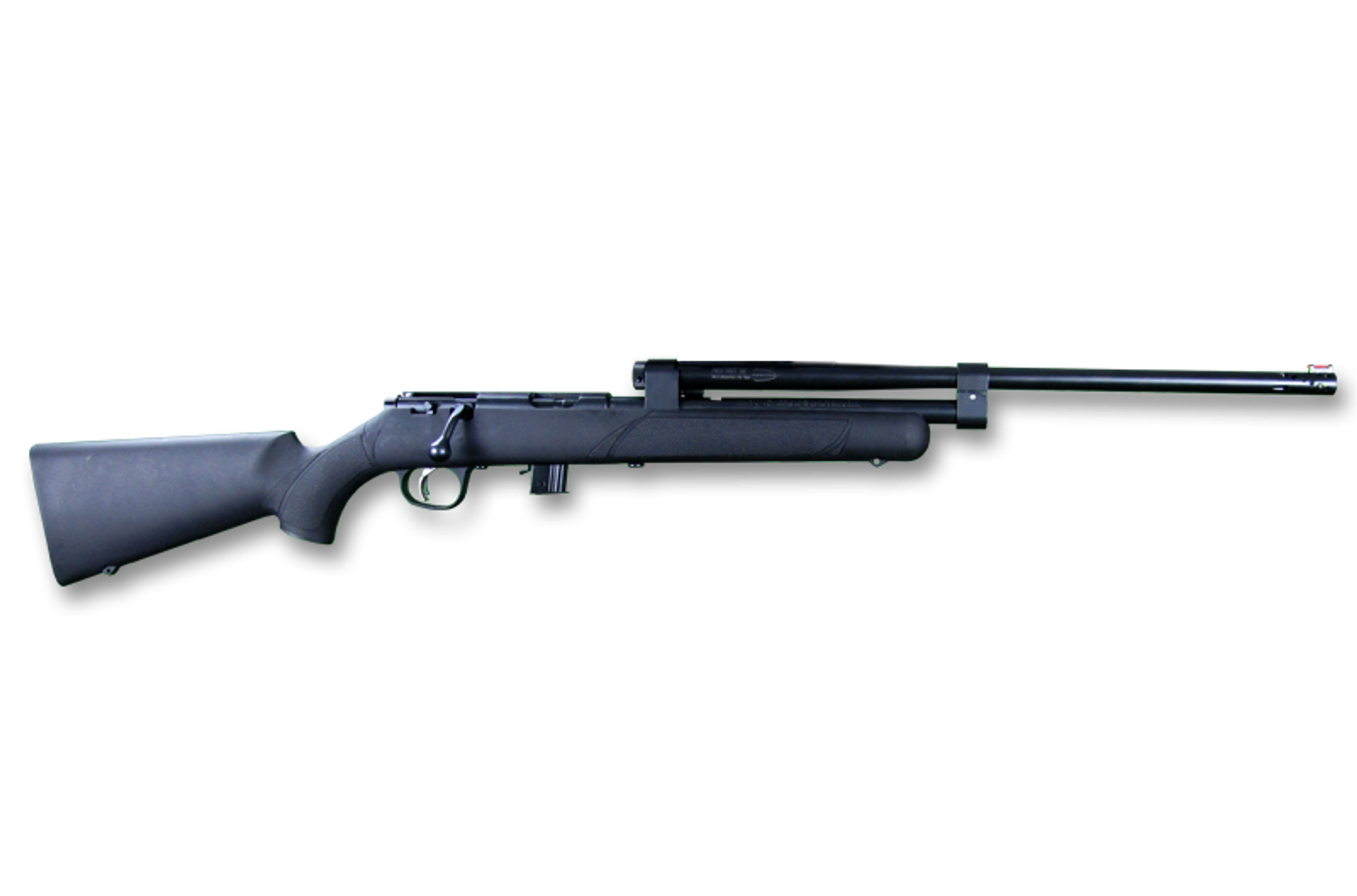
Model 196
Click to view projector >

Model 389
Click to view projector >

Model 178 BS
Click to view projector >
FAQ Horse Tranquilizer Gun
Q: Is it safe for all breeds?
A: Yes, with the correct dosage and veterinary oversight.

Order Your Horse Tranquilizer Gun Today
Handle horses safely with Pneu-Dart.